Land Registry errors
Property ownership should feel certain and secure. But if you’ve discovered a mistake in your title deeds, it can be unsettling—especially if it surfaces during a sale or remortgage. The good news is that most Land Registry errors can be corrected. This guide explains the types of mistakes that occur, how to fix them, and what to expect from the process in England and Wales.
What are Land Registry errors?
HM Land Registry processes millions of applications every year. While systems are robust, errors do occasionally happen.
A mistake in the register or title plan can range from minor clerical issues to errors that affect legal rights over the property. Common examples include:
- Incorrect property address
- Misspelt names of owners
- Missing rights (e.g. a right of way)
- Missing restrictive covenants
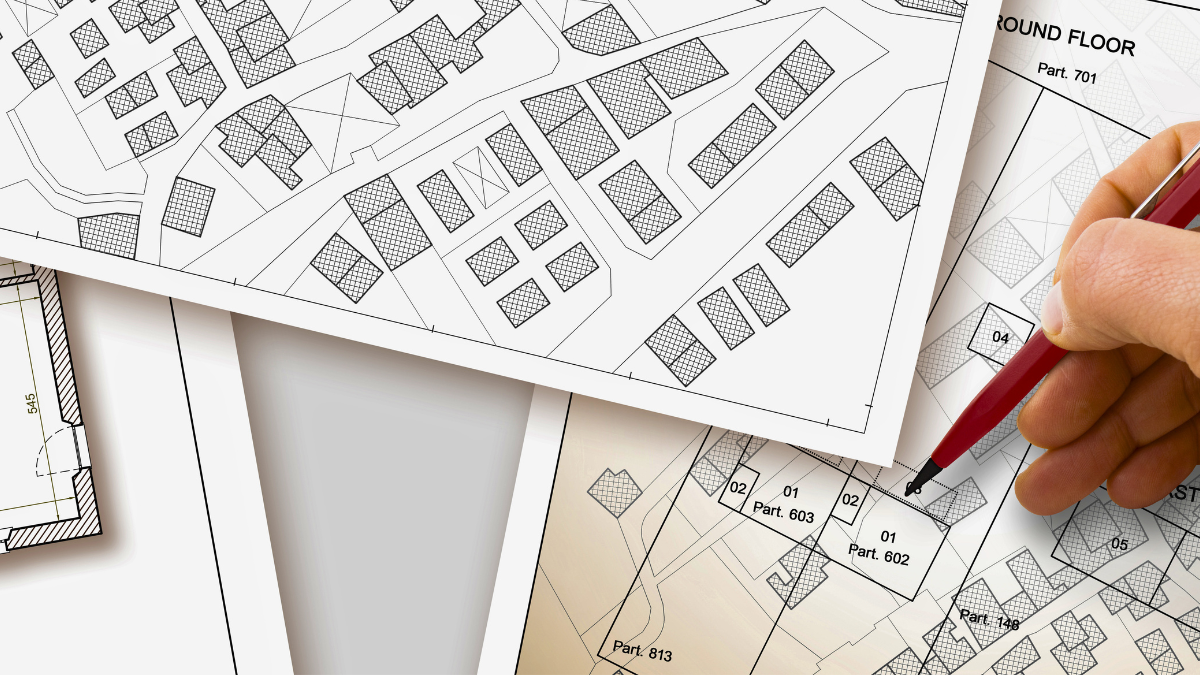
- Errors in the title plan (e.g. incorrect boundaries)
Some errors are harmless. Others can affect property value, saleability, or legal rights—so it’s important to deal with them promptly.
Errors found before registration
If a mistake is identified before the application is completed, it’s usually straightforward to fix.
All parties involved in the transaction can agree and sign an amendment before the Land Registry finalises registration. This avoids the need for a formal correction later.
Errors found after registration
Once a property has been registered, correcting mistakes involves a formal process.
Simple (non-contentious) errors
For straightforward errors—like spelling mistakes or minor clerical issues—you can request a correction online via HM Land Registry’s contact form. They allow you to upload documents to support your request, for example, a passport for a spelling mistake in a name.
Many of these requests are handled without dispute and resolved relatively quickly.
More complex errors
If the issue is more significant—such as a missing right or an incorrect legal entry—the Land Registry may:
- Request further evidence
- Require a formal application
- Investigate the circumstances of the original registration
Processing times can vary depending on complexity.
Errors affecting other property owners
Where a correction could affect another registered owner’s rights, the situation becomes more sensitive. In these cases:
- The Land Registry will notify the affected party
- They usually have 15 working days to respond
- They can consent, object, or request more time
If the other party objects, the Land Registry generally cannot proceed with the change unless the objection is clearly groundless.
What happens if there’s a dispute?
The Land Registry encourages both sides to resolve matters by agreement.
If this fails, the case may be referred to the First-tier Tribunal (Property Chamber). This is a formal legal process, which can involve costs for both parties. That’s why negotiated solutions are usually preferable where possible.
You may find this guide helpful: Property litigation costs UK: A practical guide for homeowners
Rectification vs alteration: What’s the difference?
Legally, there are two types of corrections:
Alteration
A general correction to the register, such as fixing clerical errors.
Rectification
A specific type of alteration that:
- Corrects a mistake, and
- Prejudicially affects a registered proprietor’s title
Rectification has stricter rules, especially where it would disadvantage an innocent owner in possession of the property.
For a detailed explanation, see HM Land Registry guidance.
Land Registry errors: Can you claim compensation for Land Registry mistakes?
Yes—if an error in the register causes financial loss, you may be entitled to compensation under the Land Registration Act 2002.
Examples might include:
- A property sale falling through due to a title defect
- Costs incurred correcting an error
- A mortgage being incorrectly removed from the register
Key points to know
- Claims must usually be made within six years
- Compensation is not automatic
- Claims may fail if the error was caused (wholly or partly) by:
- The applicant
- Their solicitor or conveyancer
For more information, see HM Land Registry guidance.
How long does it take to correct Land Registry errors?
Timelines vary significantly:
- Simple corrections: a few weeks
- Moderate issues: a few months
- Disputed cases: many months or longer
Delays often depend on whether third parties are involved or if legal disputes arise.
Practical tips if you discover an error
If you think your title deeds are wrong:
- Check your Official Copy of the Register and Title Plan carefully
- Gather supporting documents (e.g. transfer deeds, conveyancing records)
- Identify whether the error is simple or potentially contentious
- Act promptly—especially if you’re planning a transaction
Land Registry errors: Final thoughts
Finding an error in your title deeds can feel serious—but it’s not uncommon, and most issues can be resolved. The key is understanding:
- The nature of the error
- Whether it affects other parties
- The correct process for fixing it
By addressing problems early and following the correct procedures, you can restore clarity and certainty to your property title.
This guide is based on general principles of English and Welsh law, is intended for informational purposes only, and does not constitute legal advice or establish a professional relationship.







Leave a Reply