Quick answer
In England and Wales, a neighbour can refuse access to their land—even for repairs. However, you may still gain legal access if:
- Your title deeds grant a right of access
- You’ve acquired a prescriptive right (usually after 20+ years’ use)
- A court grants access under the Access to Neighbouring Land Act 1992
Introduction
Can a neighbour refuse access for repairs?
Needing access to a neighbour’s property for repairs or maintenance is more common than many people realise. Whether you’re fixing a wall, clearing drains, or putting up scaffolding, the situation can quickly become stressful—especially if your neighbour refuses access.
This can be particularly frustrating where the work is urgent or delays could cause further damage to your property.
The good news is that the law in England and Wales does provide routes to access in certain circumstances. Understanding your legal rights—and your neighbour’s—can help you resolve disputes more confidently and avoid unnecessary conflict. Disputes about access often overlap with boundary issues or rights of way, further complicating matters.
When do you need access to a neighbour’s land for repairs?
You may need access to a neighbour’s property for maintenance in situations such as:
- Repairing or maintaining a wall, fence, or roof
- Fixing drains, pipes, or cables
- Removing hazardous trees or overgrown vegetation
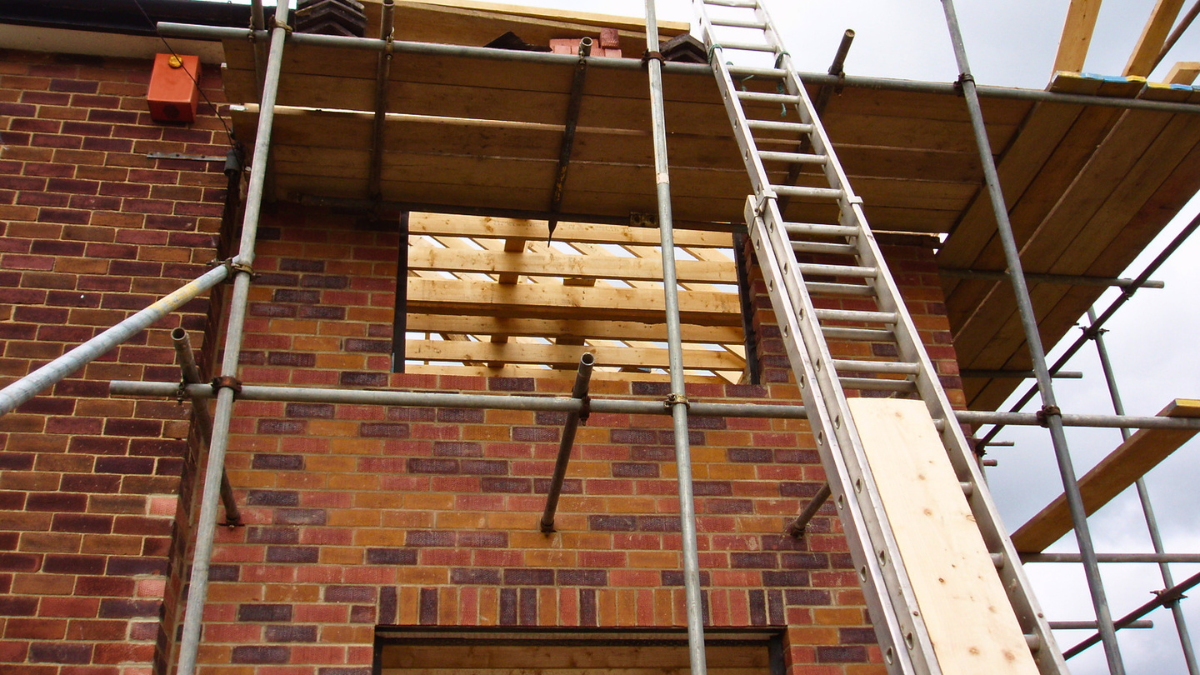
- Erecting scaffolding to carry out repair works
In many cases, neighbours agree informally. But where a neighbour refuses access, your legal position becomes crucial.
Do you already have a legal right of access to your neighbour’s land?
Before taking further steps, check whether you already have a legal right of access.
Rights in your title deeds
Your property deeds may include an express right of access to your neighbour’s land for maintenance. This is often the simplest and strongest legal basis for entry.
Prescriptive rights (long use over 20 years)
You may have acquired a right of access over time if you can show that you have used the access:
- Without force, secrecy, or permission, and
- Continuously for at least 20 years
This is known as a prescriptive easement. However, proving this can be difficult without clear and consistent evidence.
Access under the access to neighbouring land act 1992
If no existing right applies, you may be able to apply to the court for access under the Access to Neighbouring Land Act 1992.
What is the act for?
The Act allows the court to grant access to a neighbour’s land for “basic preservation works”—meaning work necessary to maintain existing property, not improve or extend it.
What counts as basic preservation works?
The Act covers works such as:
- Repair, maintenance, or renovation of a property
- Clearing or repairing drains, sewers, pipes, or cables
- Filling in or clearing ditches
- Removing or making safe dangerous trees, hedges, or plants
Crucially, the work must relate to preserving an existing structure. It does not apply to building new structures such as extensions or conservatories.
When can a court refuse access to a neighbour’s land?
Even where the Act applies, the court will balance both parties’ interests. Access may be refused if:
- It would cause your neighbour serious hardship, or
- It would result in significant financial loss
If access is granted, the court may:
- Impose conditions on how access is carried out
- Limit the timing or duration of access
- Require you to pay compensation
Who can apply for an access order?
The right to apply is broader than many people expect. It includes:
- Property owners
- Tenants
- Contractors carrying out the work
In short, anyone who needs access to neighbouring land to carry out qualifying repairs may apply.
Are access orders common in the UK?
No—access orders under the Access to Neighbouring Land Act 1992 are relatively rare.
Although there has been some helpful court guidance in recent years, this remains a complex and fact-specific area of law. In practice, many disputes are resolved before reaching court due to cost, delay, and uncertainty.
Can a neighbour refuse access for scaffolding?
Yes—a neighbour can refuse access for scaffolding.
There is no automatic legal right to place scaffolding on a neighbour’s land, even where it is necessary for repairs. However:
- The same legal principles apply
- You may still apply for a court order if the work qualifies under the 1992 Act
Scaffolding disputes are particularly common because they can:
- Cause damage to paving, walls, or fences
- Interfere with the neighbour’s use of their land
- Lead to claims for compensation
What should you do if a neighbour refuses access?
If your neighbour refuses access to their property, a practical approach is usually best before considering legal action:
- Communicate clearly and as early as possible
- Explain why access is necessary and how long it will take
- Offer to repair any damage caused
- Consider offering compensation where appropriate
- Record any agreement in writing
A cooperative approach will often resolve the issue faster, more cheaply, and with less stress.
You may also find this helpful: Property litigation costs UK: A practical guide for homeowners
Can a neighbour refuse access for repairs? Frequently asked questions
Can a neighbour legally refuse access for repairs?
Yes. A neighbour can refuse access unless you have a legal right or obtain a court order.
How do I get access to a neighbour’s land for repairs?
You can:
- Rely on rights in your title deeds
- Claim a prescriptive right (after 20+ years’ use)
- Apply to the court under the Access to Neighbouring Land Act 1992
How long does an access order take?
Court applications can take several months and may involve legal costs.
Will I have to pay compensation?
Possibly. Courts often require compensation if access causes inconvenience, damage, or financial loss.
Does this apply to building works or extensions?
No. The law only applies to maintenance and preservation, not new construction.
What about party wall works?
Different rules apply under the Party Wall etc. Act 1996, which may give additional rights in certain situations.
Can I enter my neighbour’s land without permission in an emergency?
In genuine emergencies—such as preventing immediate damage or danger—you may be justified in entering a neighbour’s land without permission. However, this is a limited and fact-specific exception, and you should only do so where it is reasonably necessary. Legal advice may still be advisable afterwards.
Can a neighbour refuse access for repairs? Conclusion
Access to a neighbour’s property for repairs is a common issue—but one where legal rights are limited. If a neighbour refuses access, your options are:
- Check your title deeds
- Consider whether a prescriptive right applies
- Use the Access to Neighbouring Land Act 1992 as a last resort
In many cases, a calm and practical approach will achieve a better outcome than formal legal action.
This guide is based on general principles of English and Welsh law, is intended for informational purposes only, and does not constitute legal advice or establish a professional relationship.







Leave a Reply