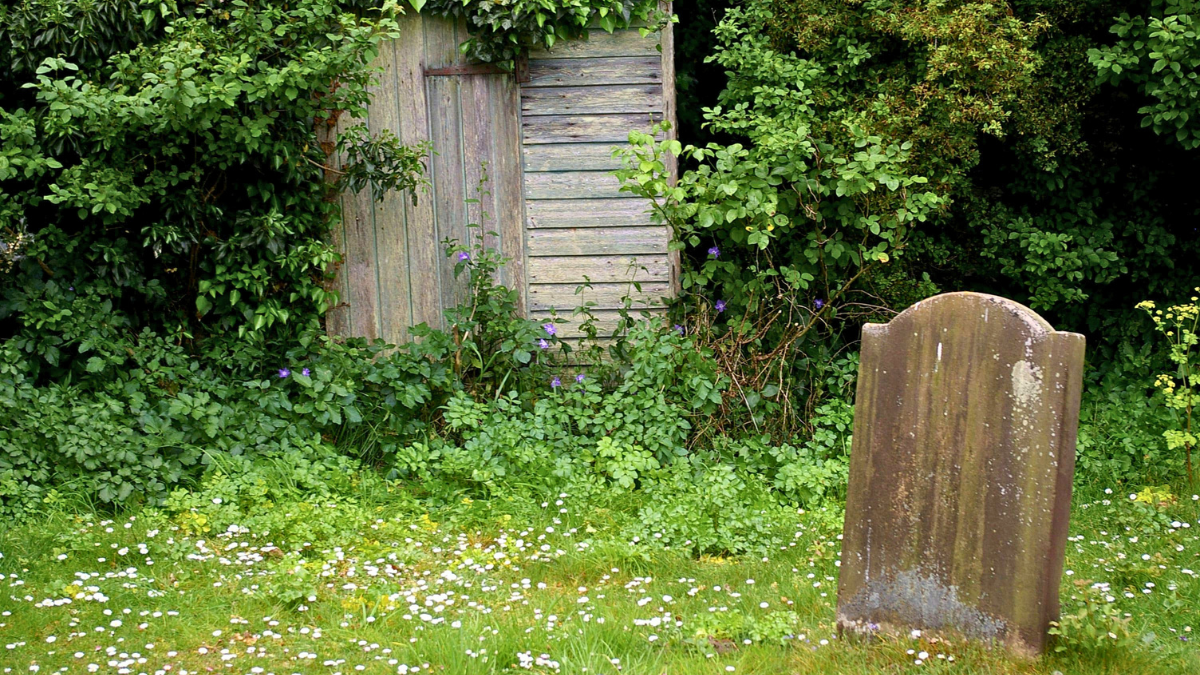
Can you be buried in your garden?
It’s a question that arises more often than you might expect: can you be buried in your garden?
The short answer is yes—home burial is legal in England and Wales. However, it comes with important legal, environmental, and practical considerations that your loved ones must carefully follow.
This guide explains everything you need to know in plain English, so you can make an informed decision.
Is it legal to be buried in your garden?
Yes. There is no law in England and Wales that prevents burial on private land, including a garden. However, legality depends on meeting several requirements, including:
- Proper registration of the death
- Environmental safety
- Land ownership permissions
- Compliance with burial documentation rules
The UK government provides official guidance on arranging a funeral.
Do you need planning permission for a garden burial?
Planning permission is unlikely to be at the top of your list of concerns when considering a garden burial. And in most cases, planning permission is not required. A single burial—or even a small number—will not usually count as a “material change of use” (i.e. turning land into a cemetery).
However, planning permission may be required if:
- You build a mausoleum or large memorial structure
- The land use changes significantly (e.g. multiple burials over time)
For planning guidance, see the Planning Portal.
Who needs to give permission?
Freeholder consent
You must have permission from the freeholder of the property. This is critical because:
- Many homes are leasehold, not freehold
- Lease agreements or title deeds may include restrictive covenants prohibiting burial
A solicitor or Land Registry search can confirm this.
What paperwork is required?
Before a burial can take place, the person arranging it must obtain a Certificate for Burial or Cremation (commonly called the Green Form).
- Issued by the Registrar of Births and Deaths (or sometimes a Coroner)
- Required for any lawful burial in England and Wales
After the burial:
- A slip attached to the form must be completed
- It must be returned to the registrar within 96 hours
For more information, see the Government’s guidance on registering a death.
Environmental rules you must follow
Human remains are legally treated as “controlled waste” under:
This means strict environmental safeguards apply.
Key requirements
- The grave must be well away from water sources (streams, wells, drains)
- It must not risk groundwater contamination
- Avoid areas prone to flooding
You should always consult:
How deep does a grave need to be?
Contrary to popular belief, there is no fixed legal minimum depth.
However, official guidance recommends:
- At least 2 feet (about 60cm) of soil above the coffin lid
This helps:
- Prevent disturbance by animals
- Support safe and natural decomposition
What happens if the property is sold?
This is one of the most important considerations—and often overlooked.
Impact on property value
A garden burial can:
- Reduce the property’s market appeal
- Make it harder to sell
Some buyers will simply not consider a property with a grave.
Future ownership risks
Unless legal protections are in place:
- A future owner can apply for a Home Office licence to exhume the body
- They may also deny access to the grave
Protective steps
You may wish to:
- Add restrictive covenants to the title
- Clearly document burial arrangements
Always discuss this with a solicitor before proceeding.
Can remains be moved later?
Yes—but it is not straightforward.
To exhume a body in England or Wales, you must obtain:
- A Ministry of Justice exhumation licence, or
- Faculty permission (if buried in consecrated ground)
Apply for an exhumation licence.
Do you need to keep records of the burial?
Yes. If a burial takes place on private land, the landowner must keep a burial register.
What to include
At minimum:
- Full name of the deceased
- Date of birth and death
- Last address
- Exact burial location
You should also keep:
- A map or plan marking the grave precisely
This is essential for:
- Future property transactions
- Legal clarity
- Family records
Practical considerations before choosing a home burial
Beyond legal compliance, it’s worth thinking carefully about the wider implications.
Family impact
- Will future generations want to maintain the grave?
- Could it create emotional or practical burdens?
Long-term uncertainty
- Ownership of property can change
- Laws and local policies may evolve
Access and maintenance
- Who will maintain the grave over time?
- Will access always be possible?
Can you be buried in your garden? Conclusion
Yes, you can be buried in your garden in England and Wales—but it’s not a simple decision. It involves:
- Legal permissions
- Environmental safeguards
- Administrative responsibilities
- Long-term property implications
Handled properly, a home burial can be a meaningful and personal choice. But it’s essential to plan carefully and seek professional advice where needed to avoid complications later on.
This guide is based on general principles of English and Welsh law, is intended for informational purposes only, and does not constitute legal advice or establish a professional relationship.







Leave a Reply