-
 Continue reading →: Neighbour feeding birds and attracting rats: What can I do?
Is your neighbour feeding birds and attracting rats? This guide explains when the council may intervene, the evidence you will need and the practical and legal options available in England and Wales.
-
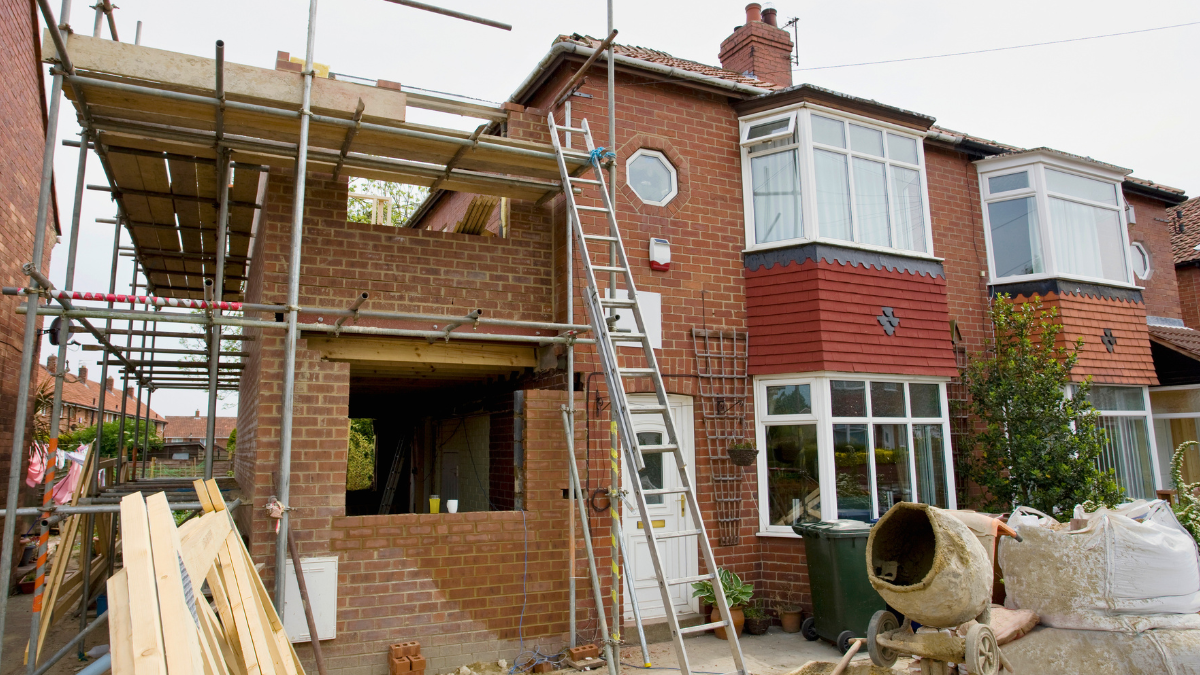 Continue reading →: How close can my neighbour build to my boundary? Planning, party walls and your rights
There is no universal minimum distance that every extension or outbuilding must maintain from a neighbour’s boundary. This guide explains the planning, Party Wall and property-law rules that may apply.
-
 Continue reading →: Can I Airbnb my leasehold flat? Short-term letting and freeholder consent explained
Can you put a leasehold flat on Airbnb? The answer depends on more than whether your lease allows subletting. This guide explains private residence clauses, freeholder consent, planning rules and the other checks to make before accepting short-term guests.
-
 Continue reading →: EV charging cable across pavement: Is it legal?
Can you run an electric-car charging cable across the pavement outside your home? This guide explains the law on loose cables, cable covers, charging gullies, council permission, neighbour complaints and parking.
-
 Continue reading →: Who is responsible for a retaining wall between properties?
Who owns a retaining wall between neighbouring properties, and who must pay if it leans or collapses? This guide explains deeds, ground levels, support rights, repairs, insurance and disputes.
-
 Continue reading →: Neighbour’s security light shining into my house: What can I do?
A neighbour’s security light can disturb sleep and make rooms difficult to use. This guide explains when artificial light becomes a legal nuisance, how councils investigate and what you can do.
-
 Continue reading →: Can I make alterations to a leasehold flat? Freeholder consent explained
Can you knock down walls, replace windows or install wooden flooring in a leasehold flat? This guide explains when freeholder consent is needed, licences to alter and what to do about unauthorised work.
-
 Continue reading →: Received a Section 20 notice? Leaseholder rights and how to challenge major works costs
A Section 20 notice can precede a substantial leasehold major-works bill. This guide explains the consultation process, the £250 rule, how to respond and when the eventual cost can be challenged.
-
 Continue reading →: Leasehold buildings insurance: Can you challenge an excessive premium or commission?
Leasehold buildings insurance can be expensive and difficult to understand. Find out what information you can request, how commission works and when an insurance charge can be challenged.
-
 Continue reading →: Can my neighbour build a balcony overlooking my garden? Your rights explained
A new balcony or roof terrace can create significant overlooking of a neighbouring garden. This guide explains when planning permission is required, when loss of privacy can justify an objection and what you can do if the balcony has already been built.
Practical legal guides on property, planning ahead and probate
Clear, practical guidance on the legal issues that arise around your home, your property and the decisions you make for the future, written for England and Wales.
Hello,
I’m Clare, the Silver Brief

After 25 years practising law in England, I retired in 2025. Now a non-practising solicitor, I created The Silver Brief to share clear, objective legal guidance without the jargon. I hope you find it helpful.