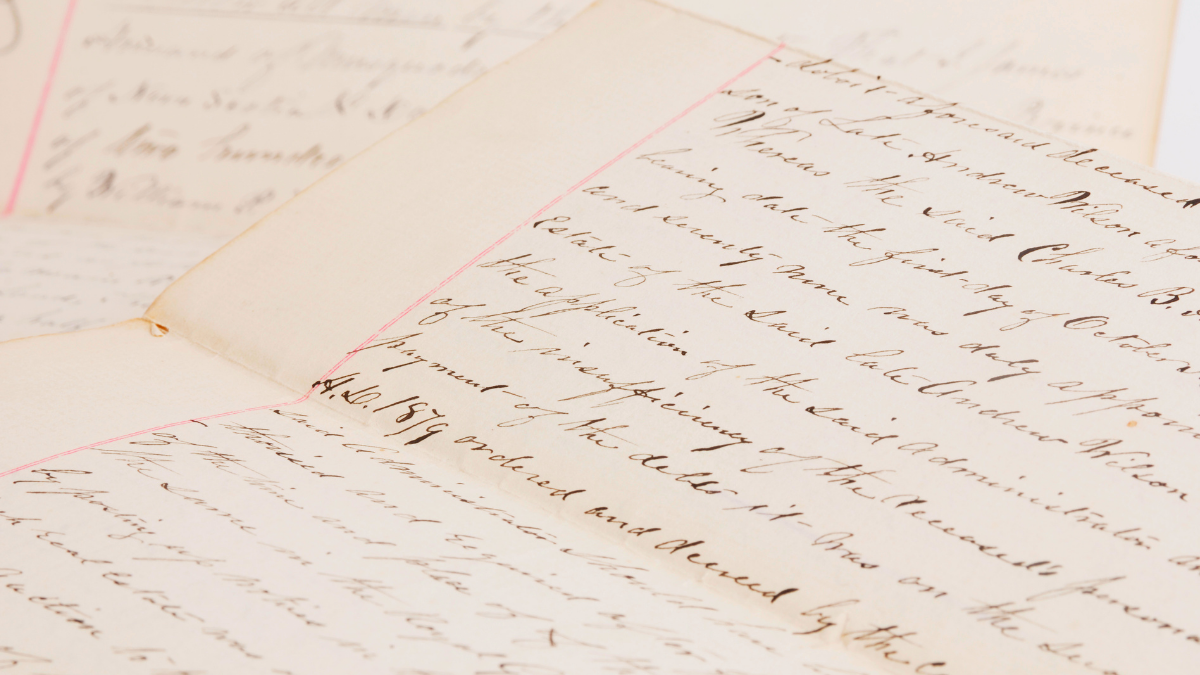
Few things expose the uncertainty of moving home quite as brutally as gazumping or gazundering.
You may have agreed a price, instructed a conveyancer, paid for searches and begun picturing your life in the new property. Then another buyer appears with a higher offer. Or, from the seller’s side, the buyer suddenly reduces their offer when the removal boxes are packed and the rest of the chain is waiting.
I know from my own house moves how quickly an accepted offer begins to feel like a settled arrangement. Emotionally, you have moved much further forward than the law has. Until contracts are exchanged, however, the transaction usually remains vulnerable to either party changing their position.
Quick answer: Gazumping is when a seller accepts an offer but later decides to proceed with another buyer, usually because the new buyer has offered more. Gazundering is when a buyer reduces their offer before exchange, often late in the transaction. Neither practice is generally illegal in England and Wales because an ordinary house sale does not become binding when an offer is accepted. It normally becomes binding when contracts are exchanged.
That does not mean every pre-exchange change of price is dishonest or that buyers and sellers have no protection. The circumstances matter, and separate agreements can sometimes create legal obligations before exchange.
This guide explains the position in England and Wales. Scotland and Northern Ireland have different conveyancing procedures.
Contents
- Gazumping and gazundering: What is the difference?
- What is gazumping?
- What is gazundering?
- Are gazumping and gazundering illegal?
- When does a house sale become legally binding?
- What must the estate agent do?
- What can you do if you are gazumped?
- How can a buyer reduce the risk of gazumping?
- What can you do if you are gazundered?
- How can a seller reduce the risk of gazundering?
- Is every reduced offer gazundering?
- Can an exclusivity or reservation agreement help?
- Can wasted costs be recovered?
- What happens if the price is changed after exchange?
- Does gazumping happen in Scotland?
- Could the law change?
- Frequently asked questions
Gazumping and gazundering: What is the difference?
Gazumping and gazundering happen on opposite sides of a property transaction.
Gazumping normally occurs when a seller who has accepted one buyer’s offer later decides to proceed with a different buyer offering a higher price or apparently stronger position.
Gazundering occurs when the buyer reduces their offer before contracts are exchanged, usually after the seller has already invested time and money in the transaction.
Both are possible because an accepted offer is normally made “subject to contract”. It records the parties’ present intentions but does not, by itself, oblige the buyer to buy or the seller to sell.
The expressions are often used critically, but the underlying conduct varies. A seller who abandons a committed buyer for a few thousand pounds may be criticised as opportunistic. A seller who changes buyer because the first buyer cannot obtain a mortgage may be making a practical decision.
Similarly, a buyer who invents a last-minute excuse to cut the price is in a different position from one whose survey has revealed subsidence requiring major expenditure.
What is gazumping?
Gazumping usually follows this pattern:
The seller accepts an offer. The buyer instructs a conveyancer, applies for a mortgage and begins the legal and survey work. Before contracts are exchanged, another person makes a more attractive offer. The seller then accepts the new offer or tells the original buyer that they must increase theirs to keep the property.
The new offer may not simply be higher. A seller might prefer a buyer who is chain-free, buying with cash, able to exchange quickly or prepared to accept a completion date that suits the seller.
The seller does not have to choose the highest bidder. A lower but more dependable offer may be commercially stronger than a larger offer from somebody whose finances or related sale remain uncertain.
Gazumping can take place at almost any point before exchange. Its impact is particularly painful when it happens after the buyer has paid for a survey, searches, mortgage valuation and substantial conveyancing work.
My guide to the residential conveyancing process explains why the period between an accepted offer and exchange can last several weeks or months.
What is gazundering?
Gazundering is the reverse pressure. The buyer tells the seller before exchange that they will only continue at a lower price.
Sometimes this follows a genuine development. The survey may reveal extensive roof repairs, the mortgage lender may value the property below the agreed price or the legal investigation may uncover a restrictive covenant, short lease or missing right of access.
In other cases, the buyer may wait until the seller is particularly exposed. The seller may have exchanged mentally, if not legally: removals are provisionally arranged, an onward purchase is at risk and weeks of expenditure have already been incurred.
The buyer knows that rejecting the lower figure could collapse the sale and possibly the whole chain. That pressure is what gives tactical gazundering its unpleasant reputation.
A reduced offer is not binding merely because it is made. The seller can accept it, reject it, negotiate or end the transaction.
Are gazumping and gazundering illegal?
No. Gazumping and gazundering are not generally illegal in England and Wales.
In an ordinary residential transaction, accepting an offer does not create the final contract for the sale of the property. The Government’s guidance on making an offer confirms that an offer is not legally binding until contracts are exchanged.
Section 2 of the Law of Property (Miscellaneous Provisions) Act 1989 requires a contract for the sale of land to be in writing, to include all the expressly agreed terms and to be signed by or on behalf of each party. The legislation can be read on the official legislation website.
The conveyancing process is usually marked “subject to contract” precisely because the parties do not intend their negotiations, memorandum of sale or accepted offer to create the final binding contract.
Until exchange, either party can usually withdraw or seek to change the agreed price without being liable simply for doing so.
There are important exceptions. A separate exclusivity, reservation or cost-sharing agreement may impose enforceable obligations before exchange. Fraudulent or misleading conduct by an estate agent is also a different issue from a seller lawfully choosing another offer.
It is therefore safer to say that the ordinary sale itself is not binding before exchange—not that absolutely no legal obligation can exist at that stage.
When does a house sale become legally binding?
In a conventional sale, the legal commitment arises when the conveyancers exchange contracts.
By that point, the buyer should have investigated the title, considered the searches and survey, obtained the mortgage offer and agreed the completion arrangements. The seller and buyer sign corresponding contracts, and their conveyancers carry out the formal exchange.
After exchange, the buyer must purchase and the seller must sell at the contractual price on the agreed completion date. One party cannot simply announce that they have found a better deal.
A failure to complete may lead to interest, loss of the deposit, a claim for damages and other contractual remedies. That conduct is no longer gazumping or gazundering; it is a potential breach of contract.
My separate guide explains what happens when contracts are exchanged.
What must the estate agent do?
The estate agent acts for the seller, not the buyer. Its primary role is to market the property and advise the seller, but it must still comply with legal duties towards prospective buyers.
An agent must pass offers to the seller up to exchange, even if the seller has already accepted another offer. The seller may give a lawful instruction not to pass on offers of a specified description—for example, offers below a particular amount—but otherwise the agent should continue forwarding them.
The Government explains this obligation in its guidance on using an estate agent when selling a home.
The seller, rather than the agent, decides which offer to accept. The agent may advise that a particular buyer appears stronger, but cannot compel the seller to choose the highest price.
An agent should also describe the position accurately. Inventing a competing bidder, exaggerating an offer or falsely claiming that the seller will withdraw unless a buyer immediately increases their price may breach consumer-protection law.
The current unfair-commercial-practices rules prohibit businesses from giving consumers false or misleading information or using a deceptive presentation that affects their decisions. The Competition and Markets Authority explains those rules in its guidance on unfair commercial practices.
A buyer can ask the agent to confirm that a competing offer exists and has been passed to the seller. The agent may not be able to reveal the rival buyer’s identity or confidential financial details.
Where there is evidence that an agent has been dishonest or has failed to follow its obligations, the buyer should first use the agency’s complaints procedure. An unresolved complaint can be taken to the agent’s approved redress scheme. The process is set out in the Government’s guidance on complaining about an estate agent.
What can you do if you are gazumped?
Being told that another offer has appeared creates pressure to react immediately. It is worth pausing long enough to establish exactly what has happened.
Ask whether the seller has formally accepted the new offer, whether they are inviting you to improve yours and whether the property is still available to you. Try to find out whether the rival offer is simply higher or whether the other buyer is also in a stronger position.
You then have three broad choices.
You can increase your offer. Before doing so, consider whether the property still justifies the price, whether your lender will accept it and whether the seller might repeat the process if another buyer appears. A higher emotional attachment does not increase the property’s value or your mortgage capacity.
You can hold your position. The seller may prefer the certainty of an existing buyer whose mortgage, survey and conveyancing are already progressing. A new buyer offering more money may still be weeks behind.
You can withdraw. That can be a painful decision, especially after spending money, but competing beyond your affordable or sensible limit can turn a disappointing experience into a lasting financial problem.
Your conveyancer can explain whether any exclusivity or reservation agreement exists and whether you have acquired enforceable rights. In the usual transaction without such an agreement, the law cannot force the seller to continue with you.
How can a buyer reduce the risk of gazumping?
No precaution completely removes the risk before exchange, but reducing the time and uncertainty surrounding the transaction can make another buyer less attractive.
Be ready before making the offer
Obtain a mortgage agreement in principle, assemble evidence of your deposit and choose a conveyancer before you begin serious negotiations.
If you have a property to sell, placing it under offer—or completing the sale first—will usually make you more attractive than a buyer at the start of a long chain.
Ask for the property to be taken off the market
Make your offer conditional on the seller stopping further viewings and changing the listing to sold subject to contract.
This is not legally binding unless recorded in a separate enforceable agreement, but it removes an obvious route through which competing buyers may emerge.
Ask the agent to confirm the arrangement in writing and check whether online listings have been updated.
Instruct your conveyancer quickly
Complete the identity and source-of-funds requirements promptly and pay the money needed for searches without delay.
The buyer who takes two weeks to return the opening forms gives the seller more time to question whether the transaction is serious.
My guide explaining what a conveyancing solicitor does covers the early information and checks the conveyancer will need.
Arrange the survey and mortgage promptly
Avoid unnecessary gaps between the accepted offer, mortgage application and survey. The aim is not to rush the investigation but to start it efficiently.
Searches and surveys protect the buyer and should not be abandoned simply to exchange sooner. Moving quickly is useful; exchanging without understanding the property is not.
Keep communicating
Silence can be interpreted as uncertainty. Let the agent and conveyancer know when the mortgage application, survey and legal paperwork have progressed.
A seller who can see steady movement may be less tempted by an unfamiliar higher bidder promising an unrealistic timetable.
Consider an exclusivity agreement
For a particularly valuable or competitive purchase, ask your conveyancer whether a short lock-out agreement is worthwhile. It will involve additional legal work and cannot guarantee that the sale completes, but it can restrict the seller from negotiating elsewhere for an agreed period.
What can you do if you are gazundered?
The first step is to ask why the offer has been reduced.
If the buyer relies on a survey, valuation or legal concern, ask for enough information to understand the issue. A copy of the relevant survey extract, repair estimate or lender’s valuation may help distinguish a genuine problem from tactical pressure.
You can accept the reduced offer. This may be the least damaging commercial option where the reduction is modest, properly supported and the cost of restarting would be greater.
You can reject it. The original offer is not binding, but neither is the lower one. The buyer must then decide whether to proceed at the previous price or withdraw.
You can negotiate. The parties might agree a smaller reduction, divide the estimated repair cost or alter another term of the transaction.
You can remarket the property. This preserves your position in principle but may place your onward purchase and the rest of the chain at risk.
Try to make the decision using figures rather than anger. Consider the likely resale price, the costs already incurred, the strength of the buyer’s evidence and the consequences of losing the transaction.
Your estate agent can advise on the market position, while your conveyancer can explain the legal and chain consequences. Neither should pressure you into accepting a reduced figure that you do not understand.
How can a seller reduce the risk of gazundering?
Assess the buyer, not only the price
Before accepting an offer, ask the estate agent to establish the buyer’s position. A slightly lower offer from a chain-free buyer with a mortgage agreement in principle may be more reliable than a higher figure dependent on an uncertain sale.
The Government’s home-selling guide recommends considering the buyer’s financial position and chain rather than looking only at the headline price.
Prepare the legal papers early
Instruct a conveyancer when the property goes onto the market, complete the property forms and locate planning documents, guarantees and building regulation certificates.
Leasehold sellers should request the management information pack promptly. Delays increase uncertainty and give the buyer more opportunity to reconsider the price.
Be accurate about the property
Disclose known problems honestly and answer the property information forms carefully. A surprise discovered through the survey or legal enquiries is much more likely to trigger a reduction than an issue the buyer understood when making the offer.
There is more information in my guide to property misrepresentation claims.
Keep the transaction moving
Respond to enquiries promptly and ensure that third-party information is requested early. A prolonged transaction creates more scope for the market, mortgage rates and the buyer’s circumstances to change.
Do not commit irreversibly before exchange
A seller may need to plan removals and an onward purchase, but non-refundable commitments before exchange carry risk.
The same is true for buyers. Until exchange, a proposed completion date remains an aim rather than a legally fixed moving date.
Is every reduced offer gazundering?
No. The word “gazundering” is sometimes used too readily.
A buyer is entitled to investigate the property before becoming bound. That is one of the principal purposes of the period before exchange.
If a survey reveals that the roof requires £20,000 of urgent work, the buyer may reasonably reconsider an offer made before that information was available. The same may apply where the lender values the property below the agreed price or the legal title is less satisfactory than expected.
The seller is not obliged to accept the buyer’s assessment. Survey recommendations can be cautious, repair figures can differ and the asking price may already reflect the property’s condition.
The distinction is principally one of circumstances and behaviour. A prompt, evidenced renegotiation following a newly discovered problem is different from an unexplained reduction delivered immediately before exchange because the buyer believes the seller has no realistic alternative.
Legally, however, both remain proposals to alter the price before the contract becomes binding.
Can an exclusivity or reservation agreement help?
A buyer and seller do not have to rely entirely on the usual subject-to-contract arrangement.
Lock-out or exclusivity agreements
Under a lock-out agreement, the seller agrees for a specified period not to negotiate with or accept an offer from another buyer. The buyer is given time to carry out the survey, searches and conveyancing without active competition.
The agreement must be drafted carefully, normally for a clear and limited period and supported by the necessary contractual elements.
It does not usually require the seller to complete the sale or the buyer to purchase. If the seller breaches it, the buyer’s remedy may be damages rather than the right to acquire the property.
It may therefore reduce gazumping without eliminating the wider risk that the transaction will fail.
Reservation agreements
A reservation agreement may impose obligations on both parties and require compensation or the loss of a payment if one withdraws without an agreed reason.
The terms should deal with legitimate reasons for withdrawal, such as an unacceptable survey, failure to obtain mortgage finance or a serious title problem.
Reservation arrangements are not yet standard across ordinary second-hand residential sales. Anyone asked to sign one should obtain legal advice before paying money or assuming that the arrangement guarantees completion.
The Government’s current home buying and selling reform consultation considers the wider use of binding conditional contracts.
Can wasted costs be recovered?
Usually not.
Before exchange, buyers and sellers normally bear their own survey, mortgage, conveyancing and other expenses if the transaction fails. The fact that the other party changed their mind does not ordinarily create a right to reimbursement.
The position may differ where a separate reservation, exclusivity or cost-sharing agreement provides for compensation. A claim might also arise from independently unlawful conduct, such as an actionable misrepresentation, but that is not the ordinary consequence of gazumping or gazundering itself.
Some buyers take out homebuyer protection insurance. Depending on the policy, it may reimburse specified survey, valuation or legal expenses when a purchase fails for an insured reason.
Cover varies considerably. A policy may impose limits, exclusions, time requirements and conditions about the amount of a rival offer. It should be read before significant costs are incurred, rather than assumed to cover every collapsed purchase.
My guide to conveyancing fees and costs explains what may remain payable when a transaction does not complete.
What happens if the price is changed after exchange?
Neither party can unilaterally change the price after exchange.
The seller cannot demand more merely because another buyer has appeared. The buyer cannot insist on paying less because they have changed their view of the market.
The parties can agree to vary the contract, but the change must be dealt with formally through their conveyancers. The mortgage lender may need to approve a reduced price, and tax or deposit calculations may also change.
If the buyer refuses to complete at the contractual price, the seller may serve a notice to complete and pursue the remedies available under the contract. If the seller refuses to complete, the buyer may also have substantial contractual remedies.
My guide to delayed conveyancing completion explains what can happen when a party fails to complete after exchange.
Does gazumping happen in Scotland?
Scotland uses a different system.
A Scottish sale becomes binding when the contractual missives are concluded. This process often creates legal commitment earlier than exchange occurs in an English or Welsh transaction, which reduces the opportunity for gazumping and gazundering.
It is nevertheless inaccurate to say that an accepted Scottish offer is invariably and instantly binding. An acceptance may contain conditions, and the parties may remain unbound while those conditions are negotiated.
The Scottish Government explains that a binding contract exists once the missives are agreed. See its guidance on making an offer in Scotland.
Could the law change?
Governments have considered for many years how to reduce the delay and uncertainty between offer acceptance and exchange.
The Government published a home buying and selling reform roadmap and consultation in June 2026. The proposals include earlier provision of property information, greater digitalisation and possible wider use of binding conditional contracts.
The aim is to reduce failed transactions and the financial loss caused when a buyer or seller withdraws late in the process. The Government estimates that the current process takes around 120 days from accepted offer to completion and that approximately one transaction in three fails.
These proposals have not made an ordinary accepted offer legally binding. For now, the familiar subject-to-contract system continues to apply.
The current programme can be followed through the official home buying and selling reform roadmap.
Frequently asked questions
Can a seller accept another offer after accepting mine?
Yes, ordinarily they can do so before contracts are exchanged. The position may be different if the seller has entered into a binding exclusivity or reservation agreement.
Must the seller accept the highest offer?
No. The seller can choose a lower offer because the buyer is chain-free, has cash available, appears more reliable or can meet a preferred timetable.
Can the estate agent continue arranging viewings?
Yes, unless the seller instructs the agent to stop or a separate agreement restricts further marketing.
A buyer can make taking the property off the market a condition of their offer, but the condition will not necessarily be legally enforceable unless it forms part of a binding agreement.
Must an estate agent pass on an offer after one has been accepted?
Generally, yes. Offers must normally be passed to the seller up to exchange, even where another offer has already been accepted.
The seller can give the agent an instruction not to forward offers of a particular description, such as offers below a stated figure.
Can I demand proof of a rival offer?
You can ask the estate agent to confirm that a genuine offer has been made and passed to the seller.
The agent may be unable to disclose the other buyer’s identity, finances or offer documents. It must not invent or misrepresent competing interest.
Can I sue the seller for gazumping me?
Normally not merely because the seller accepted another offer before exchange.
A possible claim would require some separate legal basis, such as breach of a binding exclusivity agreement or independently actionable misleading conduct.
Can a seller sue a buyer for gazundering?
Not ordinarily where the buyer simply reduces or withdraws their offer before exchange and no separate binding agreement exists.
The seller can reject the new offer, but will usually bear their own wasted pre-contract costs if the sale then collapses.
Can a buyer reduce an offer after a bad survey?
Yes. The buyer can propose a reduced price before exchange, and the seller can accept, reject or negotiate.
A survey does not create an automatic right to a particular reduction. It provides information which the parties may use in their negotiations.
Can you be gazumped after exchange?
No, not in the ordinary sense. After exchange, the seller is contractually obliged to sell to the buyer at the agreed price.
Refusing to proceed because another person has offered more would be a potential breach of contract.
Does gazumping apply to auctions?
At a traditional auction, a binding contract is normally created when the auctioneer’s hammer falls. The seller cannot then accept a later offer without breaching that contract.
Online and “modern method” auctions can use different reservation terms, so the auction documents must be checked carefully.
What is gazanging?
Gazanging is an informal term for a seller withdrawing the property from sale altogether after accepting an offer, rather than proceeding with another buyer.
The seller might decide not to move, be unable to find an onward property or believe that prices will rise. Before exchange, this is usually legally possible unless a separate agreement restricts withdrawal.
Certainty begins at exchange
Gazumping and gazundering feel unfair because an accepted offer carries far more emotional weight than legal force.
By the time the position changes, the parties may have spent thousands of pounds and planned work, schools, furniture and family life around a move that remains subject to contract.
The law allows that flexibility because the buyer needs time to investigate the property and arrange finance, while the seller has not yet received a binding commitment. The same freedom that permits a buyer to withdraw from a defective purchase also permits a seller to choose another buyer.
Preparation, speed and communication can reduce the risk, but they cannot remove it altogether. A properly drafted exclusivity or reservation agreement may provide stronger protection where the circumstances justify the additional work.
Until the system changes, the safest practical assumption is simple: An accepted offer is an important step, but exchange of contracts is the point at which the parties can finally rely on the deal.
Last legally reviewed: 1 August 2026
This guide is based on general principles of English and Welsh law, is intended for informational purposes only, and does not constitute legal advice or establish a professional relationship.