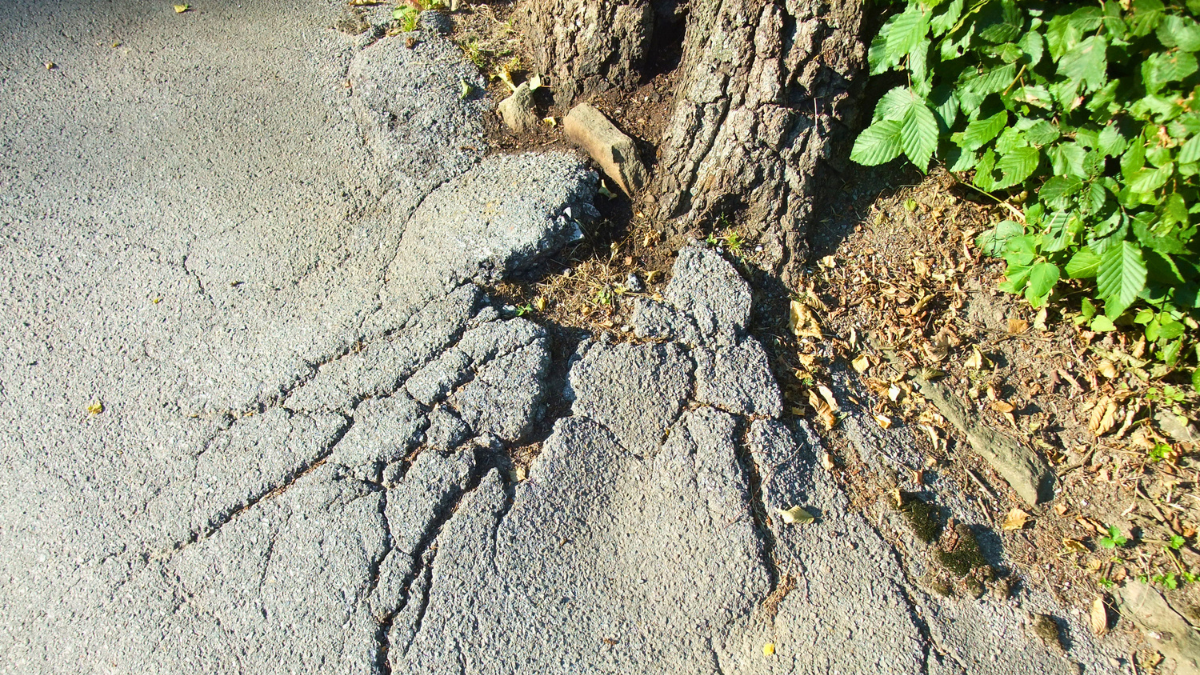
Disputes about tree roots and overhanging branches are increasingly common in England and Wales, particularly in built-up areas where space is limited.
Trees add beauty, privacy, and support wildlife—but when roots spread or branches cross boundaries, they can lead to neighbour disputes, property damage, and legal liability.
If you’re wondering where you stand legally, this guide explains your rights and responsibilities in clear, practical terms.
Quick answer: Who is responsible for tree roots and overhanging branches in the UK?
Under UK law in England and Wales, responsibility for tree roots and overhanging branches is generally as follows:
- You are responsible for trees growing on your land
- You owe a duty of care to prevent foreseeable damage or injury
- Your neighbour can cut back roots or branches to the boundary line
- You may be liable if your tree causes damage (e.g. subsidence or structural issues)
- Special rules apply if the tree is protected (TPO or conservation area)
In simple terms, the tree owner is responsible for damage, but the neighbour has the right to cut back encroaching roots and overhanging branches.
Duty of care for trees in England and Wales
Under UK law, homeowners owe a duty of care to their neighbours. This means taking reasonable steps to ensure that trees on your land do not cause foreseeable harm, damage, or injury.
In practice, a reasonable landowner in England and Wales should:
- Inspect trees near boundaries on a regular basis
- Act on visible issues such as dead, diseased, or unstable branches
- Seek professional advice where there is any doubt about safety
You’re not expected to be an expert—but ignoring obvious risks could amount to negligence, especially if damage occurs.
Liability for tree root damage and subsidence in the UK
If your tree causes damage to a neighbouring property, you may be legally responsible under the law of private nuisance. This is one of the most common causes of neighbour disputes involving trees in the UK. Typical examples include:
- Tree roots causing subsidence or damage to foundations
- Roots interfering with drains, pipes, or underground services
- Falling branches causing property damage or personal injury
If liability is established, you may be required to:
- Stop the problem (known as abating the nuisance)
- Pay compensation for property damage
- Carry out remedial works, which could include pruning or removing the tree
In England and Wales, most home insurance policies cover subsidence and tree-related damage—but you should notify your insurer as soon as you become aware of a potential issue.
Can a neighbour cut back overhanging branches or tree roots in the UK?
Yes—this is a well-established right under common law in England and Wales. The rules governing overhanging branches under UK law allow a neighbour to:
- Cut back overhanging branches or encroaching roots
- Do so up to (but not beyond) the legal boundary line
- Act without needing permission from the tree owner
However, there are important limits:
- They must remain on their side of the boundary (no trespass)
- The work must be carried out with reasonable care
- They must not cause unnecessary damage to the tree
Although this right exists, it’s often sensible to communicate first to avoid unnecessary conflict.
Can you be forced to cut back your tree in England and Wales?
In most situations, a neighbour cannot force you to carry out work to your tree. Instead, they can:
- Cut back encroaching branches or roots themselves, or
- Bring a legal claim if actual damage or a real risk of damage can be proven
If a tree is causing ongoing damage (such as subsidence) or poses a genuine safety risk, a court in England and Wales may order you to take action.
Tree disputes with neighbours in the UK: Why communication matters
Many tree-related neighbour disputes escalate unnecessarily. A straightforward conversation at an early stage can often prevent legal action.
Good practice includes:
- Informing your neighbour before carrying out work
- Agreeing access if required
- Using a qualified and insured tree surgeon for complex work
Anyone carrying out work on a neighbour’s tree must take reasonable care. If the work:
- Kills the tree
- Makes it unstable
- Causes avoidable damage
they could become legally liable.
Tree preservation orders (TPOs) and conservation areas in England and Wales
Some trees are legally protected. If a tree is subject to a Tree Preservation Order (TPO), or located in a conservation area, you will usually need permission from the local authority before carrying out work. This applies to:
- Cutting down
- Pruning or lopping
- Uprooting
- Wilfully damaging or destroying the tree
Failure to comply can lead to significant penalties, including fines of up to £20,000 in serious cases.
Importantly, these restrictions can still apply even where branches overhang a neighbouring property.
You can check with your local authority to confirm whether a tree is protected: Find my local authority.
Who owns cut branches, fruit, or roots in the UK?
This is a common point of confusion. Under UK law, cut branches, fruit, and roots remain the property of the tree owner.
The neighbour who carries out the work should:
- Offer to return the cuttings, or
- Obtain permission before disposing of them
Can you enter your neighbour’s land to cut back a tree?
No—not without permission. In England and Wales, you must:
- Remain on your side of the boundary, or
- Obtain the neighbour’s agreement to access their land
There are legal mechanisms to request access (for example, through court orders), but these are rarely used in straightforward tree disputes.
You may also find this helpful: Can a neighbour refuse access for repairs?
Frequently asked questions about tree root and branch liability in the UK
Can I cut my neighbour’s overhanging branches in the UK?
Yes, you can cut them back to the boundary line, provided you do not trespass and take reasonable care.
Can I cut tree roots on my property in England and Wales?
Yes—but removing roots can destabilise a tree, so professional advice is strongly recommended.
Who is responsible for tree root subsidence in the UK?
The tree owner may be liable if their tree causes subsidence, particularly if they failed to act on known risks.
Do I need permission to cut branches from a protected tree?
Usually yes—even if the branches overhang your property.
What happens if cutting back a tree kills it?
You could be liable for the damage if the work was excessive or carried out negligently.
You may also find this helpful: Property litigation costs UK: A practical guide for homeowners
Tree root and branch liability UK: Final thoughts
Tree-related issues are a frequent source of property and boundary disputes in the UK. If you own trees, staying proactive with inspection and maintenance can prevent costly problems later.
If you’re affected by a neighbour’s tree, understanding your legal rights helps you act confidently—but acting reasonably is just as important.
In most cases, a balanced approach and early communication will resolve the issue far more effectively than formal legal action.
This guide is based on general principles of English and Welsh law, is intended for informational purposes only, and does not constitute legal advice or establish a professional relationship.






Leave a Reply to Hedge Law UK | How to resolve disputes | The Silver BriefCancel reply