A neighbour blocking your right of way can turn an ordinary journey in or out of your home into a daily source of anxiety. It may be a car left across a driveway, a newly locked gate, building materials piled in an access lane or a fence that has appeared without warning.
What makes these disputes particularly difficult is that the land being crossed often belongs to the neighbour. That can lead them to assume that they may do whatever they like with it. Equally, someone with a right of way may assume that every minor inconvenience is unlawful.
Neither position is quite right.
A landowner is normally free to use their own land, but must not substantially interfere with a valid right of way over it. Whether a particular obstruction crosses that legal line depends on the wording of the right and what happens on the ground.
Quick answer: Can a neighbour block a right of way?
A neighbour must not cause a substantial interference with a valid private right of way.
That does not mean that the route must always remain completely empty or that you have an absolute right to use every inch of it. The courts look at whether you can still exercise the right substantially and practically as conveniently as you could before.
A car that makes a wide access slightly narrower may not be enough. A car that prevents you reaching your garage, forces you to make a difficult manoeuvre or regularly leaves you unable to enter or leave may be a very different matter.
The usual practical response is to establish precisely what right exists, record the obstruction, raise the problem calmly, put your position in writing and consider mediation. Court proceedings for a declaration, injunction or damages are available where necessary, but they are rarely the best opening move.
Contents
- First establish exactly what right of way you have
- Where to find the right of way
- What counts as substantial interference?
- Neighbour parking on a right of way
- Can a neighbour put a gate across a right of way?
- What about skips, bins and building materials?
- What if the right of way is not mentioned in the deeds?
- What evidence should you collect?
- How to approach your neighbour
- What if your neighbour ignores you?
- Can you take court action?
- Can you remove the obstruction yourself?
- Is blocking a private right of way a police matter?
- Will the dispute affect a future sale?
- Frequently asked questions
- A measured response usually achieves more
First establish exactly what right of way you have
Before deciding whether your neighbour is acting unlawfully, you need to understand the right itself.
A right of way is a type of easement: a legal right benefiting one piece of land over another. The property benefiting from it is traditionally called the “dominant land”, while the land over which it passes is the “servient land”.
The wording matters enormously. A deed might grant:
“a right of way at all times and for all purposes with or without vehicles”
Another might allow access on foot only, restrict the route to particular hours or grant access for agricultural rather than residential use.
Those differences can decide the dispute. A pedestrian right does not automatically permit vehicles. A right to pass and repass does not necessarily include a general right to park. Nor does ownership of a large vehicle automatically enlarge a narrow right created many years earlier.
When I was in practice, I found that people often arrived with a firm view of what their deeds said, only to discover that the decisive words were slightly different. “Access”, “pass and repass” and “with or without vehicles” may sound broadly similar in conversation, but they can produce very different legal arguments.
Where to find the right of way
For registered land, start with the title register for your property. You may also need the register for your neighbour’s property.
The register may set out the right in full. More often, it refers to an earlier transfer, conveyance or plan containing the detailed wording. You should obtain that document rather than relying on the brief entry in the register.
You can obtain the title register and title plan through the official HM Land Registry property information service. A title plan usually shows only general boundaries, so it should not be treated as a precision survey of the route.
If litigation becomes likely, bear in mind that an ordinary downloaded copy is not the same as an official copy for evidential purposes.
The fact that a right is missing from the register is not always conclusive. HM Land Registry confirms that implied and prescriptive easements may take effect even though they have not been completed by registration. Its detailed practice guide on easements explains the registration position.
What counts as substantial interference?
This is the central legal question.
The courts have said that not every interference with a right of way is actionable. Broadly, there is no unlawful interference if the right can still be exercised “substantially and practically as conveniently” after the obstruction as before.
That test is highly factual. The court may consider:
- the wording and purpose of the right;
- the width and physical layout of the route;
- the type of access permitted;
- how often the obstruction occurs;
- how long it lasts;
- the manoeuvres required to pass it;
- whether passage remains reasonably safe; and
- the practical effect on the property benefiting from the right.
A photograph showing that some space remains may not settle the matter. A vehicle might technically be able to squeeze through, but only after several awkward manoeuvres, by mounting a kerb or with an unacceptable risk of damage.
Conversely, the existence of an object somewhere within the area of the right does not automatically make it unlawful. The question is its real effect on the reasonable exercise of the right.
Neighbour parking on a right of way
Parking is probably the most common source of these disputes.
A neighbour does not automatically lose the ability to park on their land merely because another property has a right of way over it. They may park there if doing so does not substantially interfere with the right.
Equally, leaving just enough room for a small car is not necessarily sufficient if the right permits ordinary vehicular access and has historically been used by larger vehicles. The wording of the grant, the width available and the reasonable requirements of the benefiting property all matter.
Repeated short obstructions can also become significant. A vehicle moved whenever its owner happens to notice you waiting may still interfere substantially with a right intended to be available at all times.
It is useful to distinguish passing over the route from parking on it. A right of way does not normally give the person benefiting from it a general right to leave their own vehicle on the route. Temporary stopping for a gate, loading or unloading may sometimes fall within the reasonable exercise of the right, but that depends on the document and the circumstances.
For the wider issues that arise where neighbours share an access, see my separate guide to shared driveway problems.
Can a neighbour put a gate across a right of way?
Possibly. A gate across a right of way is not automatically unlawful.
The owner of the land may be entitled to install one, particularly where it is reasonably required for security, livestock or the safe use of the property. The gate must not, however, substantially interfere with the right.
Relevant factors may include its position, weight, width and ease of operation; how frequently the person using the right must open it; whether the right is used by elderly or disabled people; and whether the gate is locked.
Providing a key or access code may reduce the interference, but it does not answer every case. A gate requiring someone to leave their vehicle twice on each journey, on a busy road or steep slope, may create a very different level of inconvenience from a lightweight unlocked gate on a quiet track.
The wording of the deed may also expressly permit or prohibit gates.
What about skips, bins and building materials?
Temporary objects can amount to an unlawful obstruction, but duration is only one consideration.
A skip that narrows a broad access for a few hours may cause little practical difficulty. The same skip placed across the only vehicular entrance for several weeks is likely to be more serious.
Building works sometimes require temporary compromise. Sensible notice, a clear timetable and an alternative arrangement may prevent a dispute. However, the owner of the land cannot simply suspend another person’s legal right whenever work is convenient.
Overgrown vegetation may also interfere with access. Hedges, branches or roots that reduce the usable width or height of the route can be just as obstructive as a parked vehicle.
What if the right of way is not mentioned in the deeds?
A right of way can exist without an express written grant.
An implied right of way may arise from the circumstances in which land was divided or transferred. Rights can be implied by necessity, common intention, section 62 of the Law of Property Act 1925 or the rule commonly associated with Wheeldon v Burrows. These are technical legal routes, and a right will not be implied merely because it would be useful or convenient.
A prescriptive right of way may arise through sufficiently long use “as of right”: without force, secrecy or permission. At least 20 years’ qualifying use is normally required.
The extent of the right is shaped by the historical use. Twenty years of pedestrian access will not normally establish a vehicular right, which can be important when deciding whether the current use is actually being obstructed.
If no written right can be found and you are relying on the history of the access itself, my separate guide explains when long use can create a prescriptive right of way, including the 20-year rule, permission, objections, evidence and Land Registry registration.
What evidence should you collect?
Good evidence is calm, factual and consistent.
Take photographs or short videos showing the obstruction and the remaining space. Keep a dated record of when it happened, how long it lasted and what effect it had. Record, for example, that you could not reach your parking space, missed an appointment or had to leave your vehicle elsewhere.
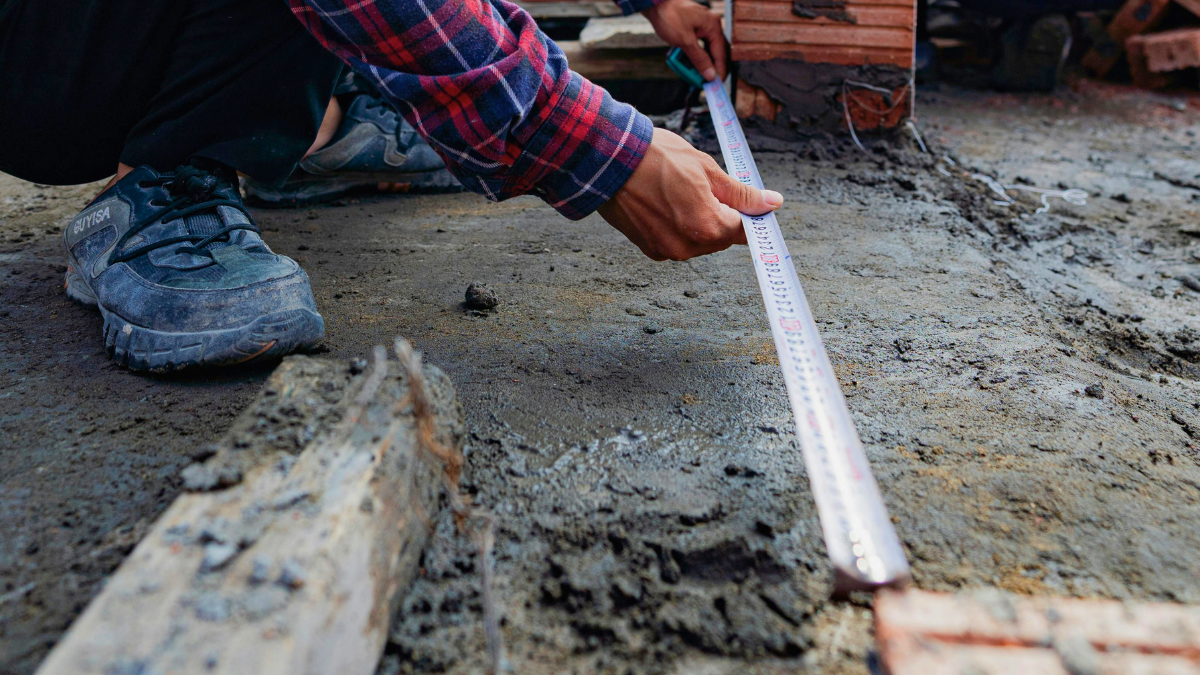
Try to photograph the practical difficulty rather than simply the offending object. Measurements of the available width can help, as can photographs of ordinary vehicles attempting to use the route.
Retain relevant messages, letters and doorbell or security-camera footage. Keep copies of the title documents and any historic photographs showing how the access was used previously.
Avoid lengthy commentary about your neighbour’s character or motives. A court will be more interested in what happened, when it happened and how it affected the right.
How to approach your neighbour
Start with a calm conversation
Many obstructions begin through carelessness or misunderstanding rather than a deliberate challenge.
Explain what happened and the practical problem it caused. It is usually more productive to say, “I could not get my car out at 8.30 this morning,” than, “You are constantly breaking the law.”
I would resist the temptation to begin with an angry legal letter. Once neighbours start corresponding in the language of demands, threats and accusations, positions tend to harden remarkably quickly.
Confirm the position in writing
If the problem continues, write a short and measured letter or email.
Identify the right you rely on, quote the relevant wording where possible and explain the obstruction. Include one or two clear examples and say what practical arrangement you are asking for.
Keep the request realistic. You might ask that vehicles are not left within a particular part of the access, that a key is provided for a gate or that materials are moved by a specified date.
The correspondence may later become evidence, so write on the assumption that a judge could eventually read it.
Check your home insurance
Some home insurance policies include legal-expenses cover for property disputes. Notify the insurer promptly, because policies commonly require approval before you incur legal costs or instruct your own solicitor.
Cover may depend on when the dispute began and whether the insurer believes the claim has reasonable prospects of success.
Consider mediation
Mediation allows an independent person to help the parties reach an agreement. It can deal with practical details that a court order may handle less elegantly, such as agreed parking areas, access during building works or the design of a replacement gate.
Courts expect parties to exchange information, explore settlement and consider alternative dispute resolution before proceedings. A court can also order parties to engage in ADR after a case has begun, and unreasonable conduct may affect costs.
My wider guide to dealing with neighbour disputes explains how to keep useful evidence, write a measured complaint, involve the appropriate organisation and decide when formal legal action may be justified.
What if your neighbour ignores you?
The next step is usually a formal letter setting out the legal and factual basis of the claim.
It should explain:
- the right of way relied upon;
- the conduct said to interfere with it;
- the evidence available;
- what must be done to resolve the problem; and
- a reasonable deadline for a response.
That letter should comply with the general rules on pre-action conduct. It should be firm, but not exaggerated or needlessly hostile.
A solicitor may recommend obtaining an opinion from a specialist property barrister or evidence from a surveyor. Expert evidence is not required in every case, particularly where the wording and physical obstruction are straightforward.
Can you take court action?
Where the dispute cannot be resolved, the court may be asked to determine whether the right exists, define its extent and decide whether it has been unlawfully obstructed.
The main remedies are:
A declaration. This formally records the parties’ legal rights and can resolve uncertainty about the route or permitted use.
An injunction. This may require the neighbour to remove an obstruction or prevent further interference. An injunction is discretionary, so its precise terms will depend on the circumstances.
Damages. Compensation may be awarded for financial loss or interference already suffered, although damages in many domestic right-of-way cases are modest compared with the legal costs.
Where access is being blocked completely or the situation is genuinely urgent, an application for an interim injunction may be possible before the full dispute is tried. Urgent applications require careful preparation and can carry significant costs risk.
Property litigation can become disproportionately expensive. My guide to property litigation costs in the UK explains the principal expenses and risks.
Can you remove the obstruction yourself?
Proceed with great caution.
The law sometimes recognises a limited ability to remove or reduce a nuisance, but self-help is highly fact-sensitive. Damaging a gate, cutting a lock, entering land beyond the right or attempting to tow a neighbour’s vehicle can create new claims and possibly involve the police.
Even where you believe that you are entitled to move an object, use no more force than is reasonably necessary and do not damage it. In anything other than a trivial and immediate situation, take legal advice first.
It is generally better to obtain a clear agreement or court order than to turn a property dispute into an allegation of trespass or criminal damage.
Is blocking a private right of way a police matter?
Usually not. A dispute about a private easement is generally a civil matter between the affected landowners.
The police are unlikely to decide the interpretation of title documents or remove a vehicle simply because it is said to interfere with a private right.
The position changes if there are threats, harassment, violence, criminal damage, dangerous driving or another possible criminal offence. Obstruction of a public highway also raises different legal issues from obstruction of a private right of way.
If access is required by an ambulance, fire engine or another emergency service, explain the immediate safety concern clearly when contacting the appropriate service.
Will the dispute affect a future sale?
It may.
Sellers are asked for information about past and current disputes with neighbours and about circumstances that could lead to a dispute. A formal exchange of letters, mediation or court proceedings is therefore likely to be relevant during a later sale.
That is not a reason to tolerate serious interference or to conceal a problem. It is a reason to remain measured, keep the dispute focused and try to achieve a clear written resolution.
A settled dispute is usually easier to explain than an unresolved obstruction that becomes apparent during the buyer’s inspection or legal enquiries.
Frequently asked questions
Can my neighbour park on a right of way that crosses their land?
They may be able to park there if their vehicle does not substantially interfere with the right. Ownership of the land does not permit them to obstruct the easement, but the easement does not necessarily prevent every use of the land by its owner.
Does the right of way have to be kept completely clear?
Not necessarily. The legal test is substantial interference, not absolute emptiness. Everything depends on the wording, layout and practical effect of the obstruction.
Is an occasional obstruction unlawful?
It can be. A single brief and trivial inconvenience may not be actionable, while a short obstruction that prevents an essential journey or repeatedly occurs at unpredictable times may be much more serious.
Can a neighbour lock a gate across my right of way?
A locked gate may be permissible if access remains reasonably convenient, perhaps because you have an effective key or code. It may be unlawful if it materially delays, restricts or prevents the use granted by the deed.
Can I park on a right of way over my neighbour’s land?
Only if the right expressly or impliedly includes parking. A right to pass and repass is not automatically a right to leave a vehicle there.
Can my neighbour move the right of way to another route?
A fixed right of way cannot ordinarily be relocated unilaterally simply because another route would suit the landowner better. It may be varied by agreement and a formal deed, or where the original document itself permits alteration.
Is a right of way lost if I stop using it?
Non-use alone will rarely extinguish a right of way. Abandonment requires much more than simply leaving it unused. This is explained in my guide to whether a right of way can be removed.
What if the deeds are unclear?
Older deeds and plans are often ambiguous. The wording, physical features at the time of the grant, historic use and surrounding circumstances may all require examination. A specialist property solicitor or barrister can advise on construction and evidence.
A measured response usually achieves more
Being blocked from your own home or parking area feels personal, even where the legal right is technically over someone else’s land. It is easy for a badly parked car or newly installed gate to become a contest about ownership, respect and who will give way first.
The law provides remedies, but it also leaves room for ordinary use of the neighbour’s land. The decisive question is usually not whether there has been any inconvenience, but whether the valid right of way has been substantially and practically impaired.
Establish the wording, document what is happening and keep the early correspondence proportionate. A clear practical arrangement reached before positions harden is often more useful than a court judgment delivered after both households have spent heavily proving their point.
Last legally reviewed: 2 September 2026
This guide is based on general principles of English and Welsh law, is intended for informational purposes only, and does not constitute legal advice or establish a professional relationship.