Few things bring out territorial instincts quite like the parking space outside somebody’s house.
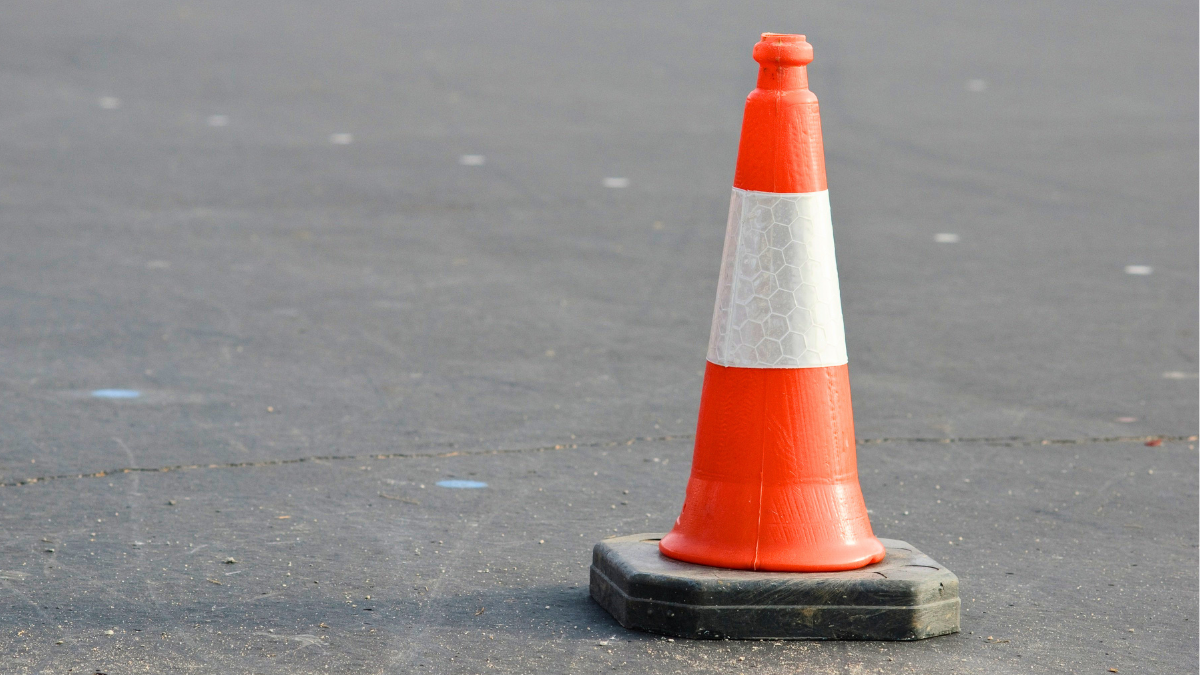
You arrive home, see an apparently empty space and then notice that it contains two traffic cones, a wheelie bin or a dining chair. The message is unmistakable: somebody has decided that this piece of road belongs to them.
On an ordinary public road, it does not.
A resident normally has no exclusive right to park outside their home. A residents’ permit may allow them to use eligible bays within a zone, but it does not usually reserve a particular space. Placing cones or bins on the highway does not create a legal parking restriction.
A neighbour saving a parking space with cones may also be creating an unauthorised highway obstruction. Whether the conduct amounts to a criminal offence under the Highways Act 1980 depends on the facts, but the highway authority may be able to remove the objects or require the resident to do so.
During my years in legal practice, I found that parking disputes were rarely about one isolated journey home. They were about routine, expectation and territory. Somebody had parked in the same place for 15 years and had quietly begun to regard habit as ownership.
This guide explains the law in England and Wales, when cones may legitimately be used and how to deal with the problem without turning the street into a permanent battleground.
Quick answer: Can a neighbour reserve a parking space with cones?
Not ordinarily on an unrestricted public road.
A resident does not acquire an exclusive right to the space outside their house merely because they live there, have always parked there or hold a residents’ permit. If an on-street space is legally available, another driver may ordinarily use it. Police guidance confirms that a space on a public road is not reserved for the adjoining homeowner.
A privately placed cone, bin or chair does not create a parking prohibition. Deliberately placing objects on the highway may amount to wilful obstruction under section 137 of the Highways Act 1980 or may allow the highway authority to act where the objects constitute a nuisance or danger. The exact legal position depends on where they are placed and what interference they cause.
Cones may be legitimate where the council has authorised a parking suspension, roadworks, event or other temporary traffic-management arrangement.
Contents
- Do homeowners own the road outside their house?
- Does a residents’ parking permit reserve the space?
- Is it illegal to put cones on a public road?
- Are wheelie bins treated differently?
- When can traffic cones be used legitimately?
- Can I reserve a space for moving house or a delivery?
- What if the neighbour has a disability?
- What if the cones are protecting a driveway?
- What if it is a private road?
- Can I move my neighbour’s traffic cones?
- Who should I report the cones to?
- When should the police be contacted?
- What if the cones obstruct a legal right of way?
- Could repeated use of cones amount to antisocial behaviour?
- What should you say to the neighbour?
- What should you avoid doing?
- Will the dispute have to be disclosed when selling?
- Frequently asked questions
- The practical point: Habit does not create ownership
Do homeowners own the road outside their house?
No.
The boundary of a residential property usually ends at or near the back of the pavement. The carriageway outside forms part of the highway and is available for public use, subject to parking controls and other road laws.
The fact that a homeowner’s council tax contributes towards local services does not give them a private right over the adjoining road. Nor does maintaining the verge, sweeping leaves from the gutter or having parked in the same location for many years.
The position is no different simply because the resident owns an electric car. Installing a charger or pavement channel does not normally reserve the adjoining parking space. There is more on this in my guide to EV charging cables across the pavement.
It is more accurate to say that no resident has an exclusive claim to the space than to describe parking as a strict legal system of “first come, first served”. Anyone using the space must still comply with:
- yellow lines and loading restrictions;
- parking-bay and permit conditions;
- dropped-kerb rules;
- clearways and red routes;
- school and pedestrian-crossing markings; and
- the law on dangerous or unnecessary obstruction.
The Government’s Highway Code and road-safety guidance provides the wider parking rules.
Does a residents’ parking permit reserve the space?
No.
A normal residents’ permit allows an eligible vehicle to park in the relevant permit bays or controlled zone, subject to the scheme’s conditions. It does not ordinarily allocate the holder the space nearest their house.
Cardiff Council, for example, expressly states that resident permits give priority to permit holders but do not guarantee a parking space. Councils in both England and Wales adopt the same general approach.
A permit holder therefore cannot place cones in a vacant residents’ bay to reserve it for their return. Other eligible permit holders remain entitled to use the bay.
The position is different where the space is genuinely allocated to a particular property or permit under a private estate arrangement or a specially created individual permit bay.
Is it illegal to put cones on a public road?
It can be, although the legal position is more nuanced than it may first appear.
Wilful obstruction under section 137
Section 137 of the Highways Act 1980 makes it an offence, without lawful authority or excuse, wilfully to obstruct free passage along a highway.
A line of cones preventing vehicles travelling along the road is an obvious potential obstruction. One or two cones placed close to the kerb to deter parking present a more fact-sensitive question.
The object must cause a real obstruction of the public’s use of the highway. Its position, size, duration, purpose and effect all matter. A temporary and minor interference may be treated differently from a daily attempt to exclude other road users from a substantial part of the carriageway.
The safest legal conclusion is therefore:
Privately placing cones on a public road to reserve personal parking is unauthorised and may amount to an offence, but section 137 is not established automatically merely because a cone is present.
Removal under section 149
Section 149 of the Highways Act 1980 gives the highway authority powers where something deposited on the highway constitutes a nuisance or danger.
Depending on the circumstances, the authority may require the person responsible to remove it or may remove it itself. The Act also allows more immediate action where the object creates a danger to highway users.
Highway authorities also have a statutory duty to assert and protect the public’s rights to use and enjoy the highways for which they are responsible.
In practice, councils have different procedures. Derby City Council, for example, says that reserving highway parking with cones or other objects is not allowed and that its officers can arrange for the objects to be removed.
Are wheelie bins treated differently?
A wheelie bin does not acquire parking-enforcement powers simply because it belongs to the council.
Using a bin to reserve a space may create the same highway-obstruction concerns as using cones. It can also obstruct pedestrians if placed on the pavement.
Separate waste rules may apply. Under section 46 of the Environmental Protection Act 1990, a council can specify where and when household waste containers must be placed for collection and when they must be removed. Government guidance says enforcement should be proportionate and generally directed at conduct causing actual harm, such as obstructing wheelchair or pushchair users.
A bin left on the street outside the permitted collection period is not automatically a criminal offence in every area. The council must use the relevant statutory process and local policy.
Derby City Council expressly states that a section 46 notice may be used where residential or business waste bins are being used to reserve parking.
When can traffic cones be used legitimately?
Cones themselves are not illegal. They are an ordinary part of authorised traffic management.
They may properly be used for:
- roadworks or utility work;
- emergency incidents;
- an authorised road closure;
- an approved street event;
- a council parking suspension;
- removal or delivery arrangements approved by the authority; or
- work carried out under an appropriate highway licence.
The important point is that the cones do not create the authority. They mark or support an arrangement that has already been lawfully approved.
A council-approved parking suspension will usually involve a formal application, payment where required and official warning signs. Buckinghamshire Council, for example, requires advance application and approval and arranges signs to warn drivers that the space has been suspended.
A row of cones placed out by a resident without any supporting sign, notice or approval should not be assumed to create a valid suspension.
Equally, do not assume every unattended cone is unofficial. It may mark a sunken drain, damaged surface, planned utility work or another hazard that is not immediately obvious.
Can I reserve a space for moving house or a delivery?
You cannot normally guarantee a public parking space merely by placing cones there the night before.
Where the road contains controlled bays, the appropriate route is usually to apply to the council for a temporary parking suspension. Councils commonly allow suspensions for removals, essential building work, skips, large deliveries and similar short-term needs, although eligibility, fees and notice periods vary.
A parking suspension temporarily takes an identified bay out of normal use. A parking dispensation ordinarily allows a specified vehicle to park where a restriction would otherwise apply, but does not necessarily reserve the space.
On an unrestricted road, the council may not operate a reservation service. A removal company may have to arrive early, work from the nearest lawful space or discuss temporary traffic arrangements with the highway authority.
Politely asking neighbours to leave an area clear is perfectly legitimate. Presenting the request as a legal entitlement is not.
What if the neighbour has a disability?
The practical need may be entirely genuine.
A person with severe mobility difficulties may depend on being able to park close to home. That deserves sensitivity, but a Blue Badge does not by itself reserve the road outside the badge holder’s property.
Some councils allow eligible residents to apply for a disabled parking bay. The type of bay varies:
- an advisory bay relies largely on driver cooperation and may not be legally enforceable;
- a formal bay supported by a Traffic Regulation Order can be enforced; and
- most disabled bays may be used by any qualifying Blue Badge holder rather than being reserved for the applicant alone.
Bath and North East Somerset Council explains that its residential disabled bays are advisory and cannot be enforced. East Sussex distinguishes between advisory and formal bays and confirms that neither type is reserved for one named person.
A disabled resident should therefore ask the council about a suitable bay rather than relying indefinitely on privately placed cones.
Neighbours can, of course, choose to leave a convenient space clear voluntarily. Courtesy and legal entitlement are not the same thing.
What if the cones are protecting a driveway?
A resident cannot ordinarily reserve a length of road beyond what the law protects.
Parking across a qualifying dropped footway may itself be prohibited under section 86 of the Traffic Management Act 2004. The occupier does not need to place cones there to create that restriction.
An advisory H-bar or access-protection marking may make a driveway more visible, but it does not generally create a private parking space.
Where the property has no dropped kerb, the position is different. Paving the front garden does not create a lawful vehicle crossing or a protected area of road. My guide to parking across a driveway without a dropped kerb explains that distinction.
A cone should also not be used to extend an entrance artificially. The homeowner cannot reserve several metres on either side simply because the extra space makes turning easier.
What if it is a private road?
The answer may be different.
Parking on a private estate, shared forecourt or allocated residential area may be governed by:
- the property deeds;
- a lease;
- an easement;
- estate regulations;
- a management-company scheme;
- allocated-space markings; or
- a parking contract displayed on signs.
A resident may have an enforceable right to a specified private bay. Alternatively, all residents may have shared rights without any individual allocation.
Do not rely solely on a sign saying “private road”. A road’s ownership, maintenance status and legal highway status are separate questions.
Where the disagreement concerns shared private access, read Shared driveway problems.
Can I move my neighbour’s traffic cones?
An unauthorised cone does not normally create a restriction that other motorists are legally obliged to honour.
That does not make taking matters into your own hands risk-free.
Before touching a cone, consider whether it may have been placed by:
- the council;
- a utility company;
- the police or emergency services;
- an authorised contractor; or
- someone marking a genuine highway defect.
Moving official traffic-management equipment could expose road users or workers to danger.
Even where the cone is clearly being used privately to reserve parking, do not take it away, damage it, throw it onto the pavement or leave it somewhere dangerous. It remains somebody else’s property, and retaliation is likely to escalate the dispute.
The safest course is to photograph the objects and report repeated unauthorised use to the relevant council or highway authority. Where the council confirms that they are unauthorised, allow its officers to deal with them.
Who should I report the cones to?
Start with the relevant local authority.
Depending on local government arrangements, this may be the county council, unitary authority, metropolitan borough or another council responsible for highways, parking or waste enforcement. The Government’s find your local council service will provide a starting point.
Look for an online form covering:
- highway obstruction;
- objects on the road;
- parking problems;
- bins left on the highway; or
- antisocial behaviour.
Provide dates, photographs and the approximate times the objects appear and disappear. A repeated pattern is more useful than a single photograph of a cone whose purpose is unknown.
Do not report the neighbour for “stealing your parking space”. Explain that objects are being placed repeatedly on the public highway to prevent lawful parking.
When should the police be contacted?
Most routine parking and cone disputes are not police emergencies.
The police may become relevant where:
- the objects create an immediate danger;
- the road is substantially obstructed;
- emergency vehicles cannot pass;
- a vehicle is trapped and cannot leave a driveway;
- the neighbour makes threats or behaves violently; or
- the conduct forms part of persistent harassment or criminal damage.
Police forces distinguish between parking contraventions enforced by councils and dangerous or genuinely obstructive parking. Wiltshire Police, for example, directs most ordinary parking issues to the council but may assist where a vehicle prevents the occupier from leaving a driveway.
Avon and Somerset Police accepts reports where a vehicle causes an obstruction or hazard, including preventing somebody from leaving their driveway or blocking emergency access.
Use the non-emergency reporting service unless somebody is in immediate danger.
What if the cones obstruct a legal right of way?
A private right of way raises separate property-law issues.
If the cones prevent the exercise of an easement over private land, the question is not simply whether they obstruct the public highway. The wording of the right, the degree of interference and the parties entitled to use it must be examined.
A minor inconvenience may not be actionable. A repeated obstruction that substantially interferes with access may justify a declaration, injunction or damages.
Read Neighbour blocking a right of way: Your legal position for the full position.
Could repeated use of cones amount to antisocial behaviour?
Potentially, but ordinary selfishness is not automatically statutory antisocial behaviour.
The wider context matters. A cone dispute may become more serious where the resident:
- threatens anyone who moves or ignores the cones;
- repeatedly abuses or intimidates neighbours;
- damages cars parked in the space;
- targets a particular household; or
- continues after formal warnings and enforcement.
Keep a factual record of incidents, messages, witnesses and any damage. Avoid provoking confrontations for the purpose of filming them.
Where the behaviour is persistent and causes harassment, alarm or distress, the council’s community-safety team, housing provider or police may need to consider it as part of a broader pattern rather than an isolated parking complaint.
What should you say to the neighbour?
Where it feels safe, begin with a calm question rather than a legal accusation.
The cones may be temporary because of a removal, urgent repair or vulnerable visitor. If there is no authorised reason, explain that everyone is struggling to park and that the public road cannot be reserved privately.
A useful approach might be:
“I wanted to check whether the council has authorised the cones. Parking is difficult for all of us, and leaving them out every day means nobody else can use an otherwise available public space.”
That is firmer than pretending the issue does not matter, but less likely to trigger a shouting match than announcing that the neighbour is committing a criminal offence.
In my experience, the first conversation often determined whether the problem remained about parking or developed into something much larger.
What should you avoid doing?
Do not retaliate with your own cones, bins or vehicle.
Do not deliberately block the neighbour’s driveway, park dangerously to make a point or place objects where pedestrians must step into the road.
Avoid taking, damaging or hiding the cones. Do not post photographs of the neighbour or their home on community social-media groups as an invitation for public criticism.
Legal proceedings are rarely a proportionate response to cones on a public road. Council reporting, parking controls and community-safety procedures are usually more appropriate.
If the problem has developed into a wider property dispute, my guide to property litigation costs explains why escalation should be approached cautiously.
Will the dispute have to be disclosed when selling?
Not every disagreement over parking becomes a disclosable formal dispute.
However, current standard property enquiries ask about past and current neighbour disputes and about concerns that may affect the property. Repeated written complaints, council involvement, threats or continuing conflict may therefore be relevant and should be discussed with the conveyancer handling the sale.
Fear of future disclosure is not a reason to tolerate intimidation or a genuine highway obstruction. It is a reason to communicate accurately and proportionately.
Frequently asked questions
Is it illegal to save a parking space with cones?
It may amount to unlawful obstruction, but it is not accurate to say that every cone automatically establishes a criminal offence.
Privately placed cones have no legal power to reserve an ordinary public space. The highway authority may be able to require their removal or remove them itself.
Can anyone park outside my house?
Anyone may ordinarily use an available public on-street space provided they comply with the applicable parking and road rules.
Nobody has a right to park dangerously, obstruct a dropped kerb or ignore a controlled bay merely because the space is outside somebody else’s house.
Can I reserve the space because I have always parked there?
No.
Longstanding habit does not create ownership or an exclusive parking right over the public highway.
Does a residents’ permit reserve a particular bay?
Usually not.
It normally allows parking in eligible spaces within the specified area if one is available.
Can I put cones out for a removal van?
You can ask neighbours informally to leave space, but cones alone do not create a lawful reservation.
Apply for a council parking suspension where the local scheme allows one.
Can builders reserve the space?
Only where they have the necessary authority, suspension, road-space booking or highway licence.
The fact that a contractor needs convenient access does not allow them to occupy the road with cones indefinitely.
What if the cones have a council logo?
Do not move them.
They may belong to the authority or an authorised contractor and may mark work or a hazard. Check for accompanying signs or contact the council.
Can I park in the space despite the cones?
An unofficial cone does not itself prohibit parking.
However, moving or driving around it may be unsafe or provoke conflict, and its purpose may not be obvious. Reporting repeated misuse to the authority is the safer approach.
Can the council confiscate the cones?
Depending on its powers, policy and the circumstances, the highway authority may remove objects placed on the road or require the person responsible to remove them.
Can the council fine my neighbour?
Potentially, where a statutory offence or enforceable notice is established.
There is no uniform national penalty imposed whenever somebody puts out a cone. Enforcement methods differ between authorities.
Can a Blue Badge holder reserve the space?
A Blue Badge does not ordinarily reserve the space outside a home.
The resident may be able to apply for an advisory, formal or individual permit bay, depending on the council’s local scheme.
What if the neighbour owns the cone but not the road?
Ownership of the cone does not give ownership of the highway beneath it or the power to exclude other road users.
Should I call 999?
Not for an ordinary cone or parking disagreement.
Call 999 only where there is an immediate threat to life, serious violence, a dangerous incident or another genuine emergency.
The practical point: Habit does not create ownership
Parking outside the same house every day can begin to feel like a right. It is not.
The resident may have good reasons for wanting the space: limited mobility, young children, heavy equipment or an awkward working pattern. Those reasons may deserve consideration, but they do not turn public road space into private property.
Equally, noticing an unauthorised cone does not require an immediate act of defiance. Check that it is not official, ask what it is for and use the council’s highway procedure if it becomes a repeated attempt to exclude everyone else.
The law can deal with genuine obstruction. Most streets will be more peaceful if the neighbours first remember the simpler rule: nobody owns the parking space outside their front window.
Where an argument about cones has become part of a wider pattern of conflict, see my practical guide to dealing with neighbour disputes for advice on communication, evidence, council involvement and proportionate escalation.
Last legally reviewed: 24 August 2026
This guide is based on general principles of English and Welsh law, is intended for informational purposes only, and does not constitute legal advice or establish a professional relationship.





One response to “Neighbour saving a parking space with cones: Is it legal?”
[…] saving a parking space with cones; or […]